Pest-Control Software With Quarterly Routes on Autopilot
Auto-bill the quarterly route on the same day every visit. Send a $1,400 mosquito-misting season quote in two taps. Know which Atlanta zip codes are eating your margin before you renew.
$1 for 14 days, then $19/mo. Card required. Cancel any time.
$79/mo vs $99–$299 industry standard·20-min migration from HCP, Jobber, ServiceTitan·No per-seat fees, ever
Features pest control shops actually use
Built for Pest Control Shops
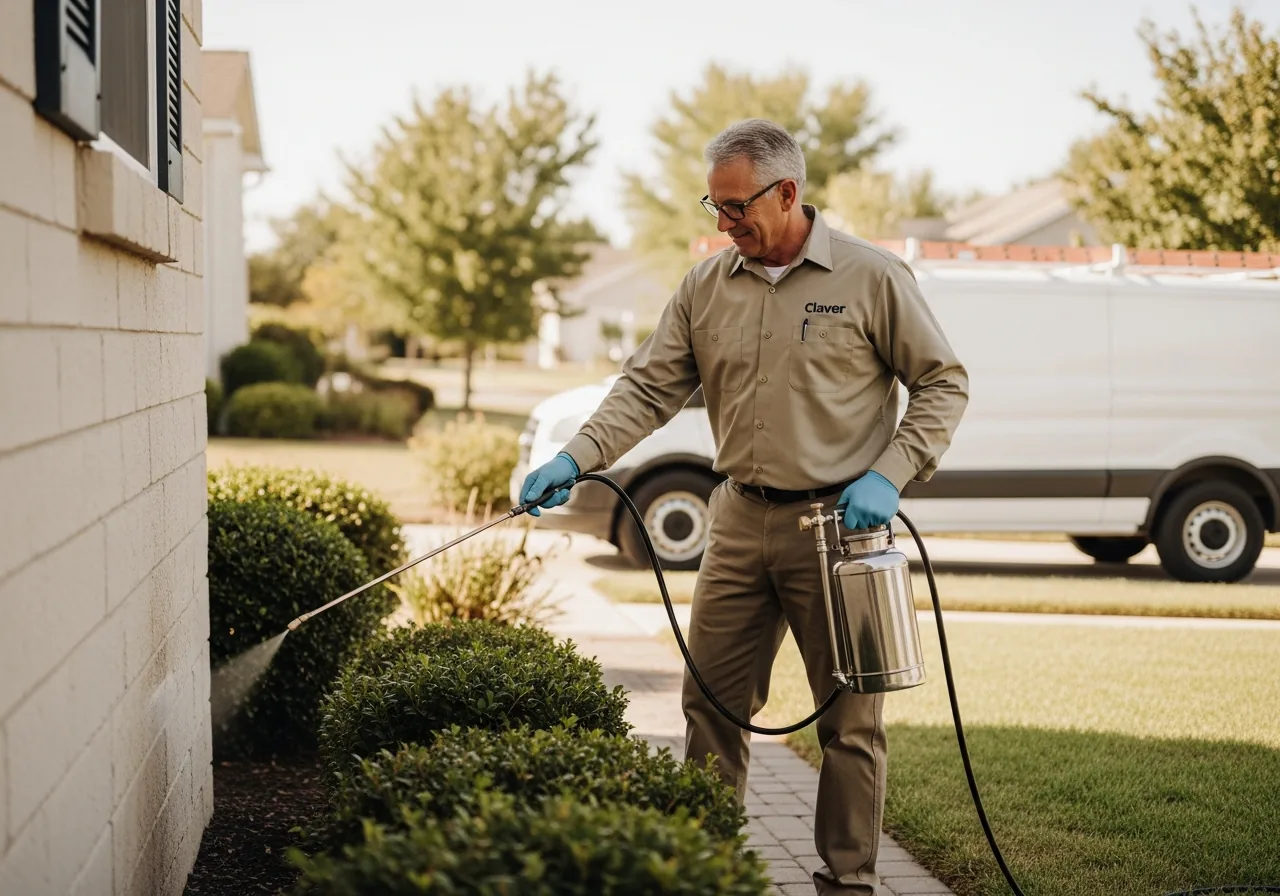
The 5 things that decide whether you keep the customer for 8 years or lose them at next renewal, recurring auto-bill, route density that actually fits 18 stops a day, treatment records that satisfy the state, online booking that converts at midnight, and notes saved to the address so the new tech knows the dog's name. All in one app. Built by people who've crawled a Phoenix attic in 115° looking for a roof rat nest.
Auto-Billed Recurring Routes*
Quarterly general pest, monthly mosquito mist, every-other-month termite monitoring, set it once, Stripe charges the card on the day of service. The customer never sees an invoice. Your $89 quarterly turns into $356/year of pure recurring revenue per address, and it bills itself.
Real-Time Margin Per Route*
Chemical cost, drive time, labor, tracked per stop. When your Atlanta route runs 18 stops at $89 each, you see the route grossed $1,602 and netted $640 after fuel and chemical. Flag any route under your 35% target so you know where to cut, reroute, or reprice.
Treatment Records the State Accepts*
Every product applied, name, EPA reg #, target pest, application rate, logged to the customer record with timestamp and tech signature. When the inspector knocks, the records are already there. Not in a binder in the truck.
Online Booking and Customer Portal*
Embed a booking form. Customer picks general pest, mosquito, or termite inspection. The job lands on your dispatch board pre-filled. You sleep at midnight. The bed-bug emergency books at 12:14am. Confirmation text fires automatically.
Address Notes Per Stop*
Gate codes, alarm codes, the dog's name, where the bait stations are buried, which side of the house has the wasp problem every June. Every detail saved so when your senior tech retires, his replacement walks in already knowing the property.
* Included on Crew at $39 a month or Business at $79 a month. Starter ($19/mo) covers unlimited jobs, quotes, invoices, Stripe payments, customer portal, online booking, recurring billing, and CSV export. Step up to Crew for texting, AI, and dispatch.
Why pest shops switch
Why Pest Control Companies Choose Claver
Recurring Revenue Inside a Service Business
Pest control is a recurring-revenue business hiding inside a service business. The customer doesn't think about pest control, they think about "the guy who keeps the ants out." Be that guy for 8 years and you've collected $2,800 from one address without ever sending an invoice they had to think about.
But that only works if the recurring engine actually runs. If your billing breaks once, the customer remembers they're paying you. They Google a competitor. They cancel. Claver is built so the billing never breaks, and so the customer keeps thinking about literally anything other than "do I still need pest control?"
Recurring is the engine. Auto-billed quarterly, monthly, or annually. Stripe pulls the card on the day of service.
Onboarding Takes Seven Minutes
Onboarding a new account takes seven minutes. Address, frequency, target pests, gate code, dog's name, where the bait stations live. Save it. Set the schedule. Stripe captures the card. The first treatment is on Tuesday with David. The customer gets a text the night before. They don't have to think about it again until cancellation, which doesn't happen because nothing breaks the rhythm.
Route optimization is where small shops leave the most money on the table. A $89 quarterly stop is profitable when your tech does 18 of them in a day. It's a loss when he does 9 because the route was random. Claver groups stops by zip code, calculates drive time, and rebuilds the route every morning. Your Phoenix tech goes from 9 stops a day to 16. Same labor cost. Revenue up 78%.
Treatment Records and State Inspections
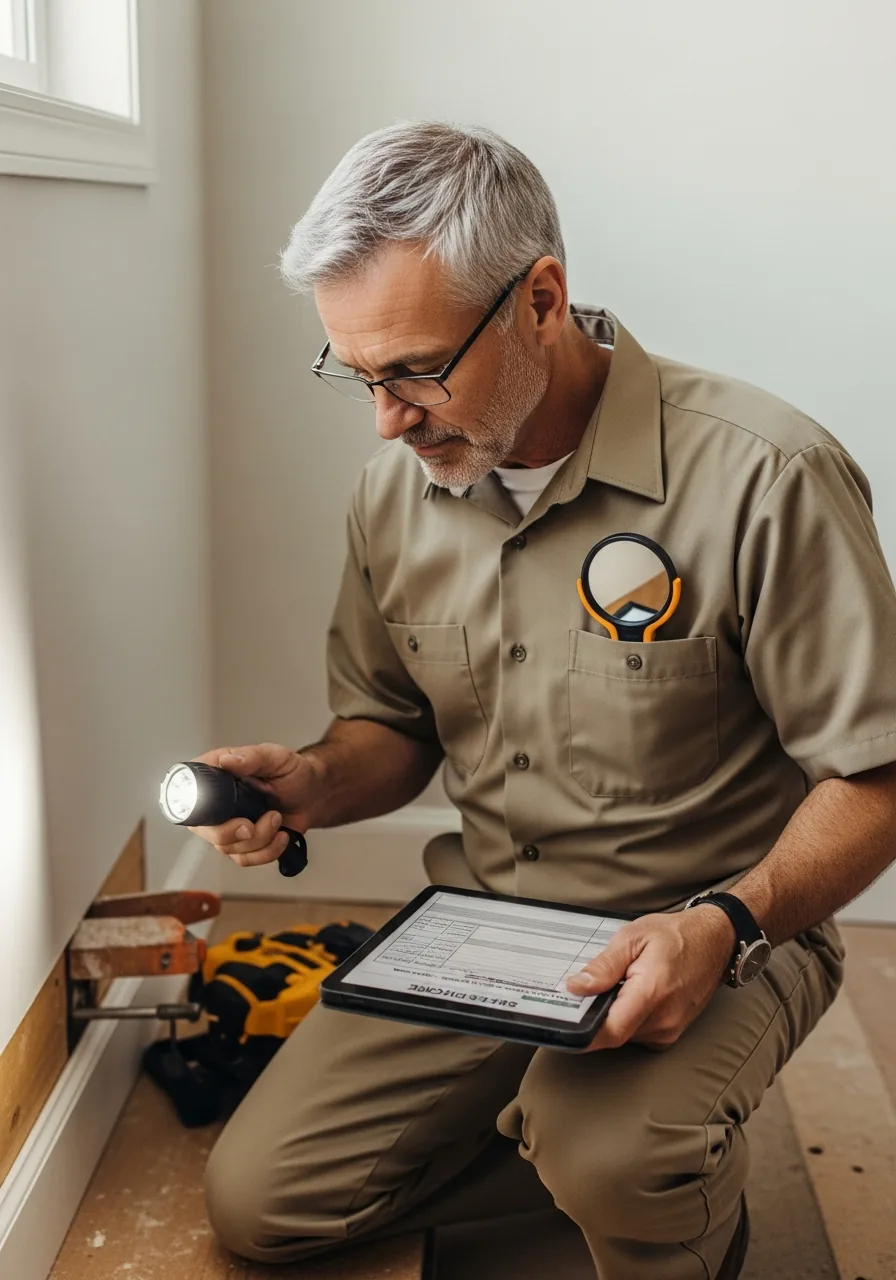
Treatment records are the part that puts you on the right side of state inspections. Every product, every EPA registration number, every target pest, every application rate, every signature, logged automatically when your tech closes the job on his phone. The Georgia Department of Agriculture inspector shows up Tuesday morning. You hand him the iPad. He's gone in 20 minutes instead of 4 hours of digging through paper logs.
Job costing tells you which addresses are actually profitable. The 4-acre property in Buckhead at $145/quarter takes 90 minutes and burns $34 in chemical, 41% margin. The 800 sqft condo at $79/quarter takes 18 minutes and burns $4–84% margin. Now you know which stops to keep at any cost, and which to reprice at renewal or hand to a competitor.
And the online booking widget converts midnight visitors into customers. The bed-bug emergency books at 12:14am. The mosquito-misting renewal goes through at 9:47pm. The termite inspection lands at 6am from a homeowner who saw frass on the windowsill. You wake up to four new jobs already on the dispatch board, with cards on file.
Cancel anytime. 20-minute migration from your current tool.
Pricing
Pricing That Works for Pest Control Shops
$19/mo to start. $39/mo for growing teams. $79/mo for the full toolkit. AI summaries, app phone line, recurring billing, route optimization, and real-time margin alerts. Same plans as every Claver page, no pest upsell.
Simple pricing, no free tier
Every plan includes unlimited jobs, quotes, invoices and Stripe payments. Texting and AI start on Crew. The phone system and full back office are on Business.
$1 for your first 14 days on Starter · Cancel anytime · Your data exports in CSV
Common questions
Common pest control software questions
No marketing dance. The questions pest control owners actually ask before they sign up.
Does Claver handle recurring quarterly and monthly mosquito plans?+
Yes, recurring is the heart of the product. Set a customer to quarterly general pest, monthly mosquito mist (May-Oct), or every-other-month termite monitoring. The job auto-generates on the calendar each cycle with the right tech assigned. Stripe pulls the card on the day of service. The customer never sees an invoice. You see total active recurring income on the dashboard, broken down by frequency.
Can I import customers from PestPac, FieldRoutes, or ServiceTitan?+
Yes. Export your customer list as CSV from your current tool. PestPac, FieldRoutes, ServiceTitan, GorillaDesk, ServSuite, and upload it to Claver. The wizard maps the columns. Most pest control shops finish the migration in 20-30 minutes. We'll personally help if anything looks off, email [email protected].
Does Claver track treatment records for state compliance?+
Yes. Every chemical applied is logged with the EPA registration number, target pest, application rate, location applied, and tech signature, automatically when the tech closes the job on his phone. Records export to PDF or CSV on demand. When the inspector shows up, hand them the iPad and you're done in 20 minutes instead of 4 hours.
Does it optimize routes by zip code?+
Yes. The dispatch board groups stops by zip code, calculates drive time between addresses, and rebuilds the daily route every morning. Most shops jump from 9-11 stops per tech per day to 16-18 within 30 days. Same labor cost. Revenue up 60-80%.
What does Claver cost for a pest control shop?+
$19/mo for Starter (2 users). $39/mo for Crew (8 users) when you want texting, AI, and the dispatch board. $79/mo for Business with the full toolkit, call recording, route optimization, ad-conversion tracking, equipment QR stickers for bait stations. No contract. Cancel anytime.
Your current software owns your customer list. We don't want to.
Your data exports as CSV the day you leave — your full customer list, every job, every invoice. Your payments go directly through your own Stripe, never ours. Claver starts at $19/mo flat, no contract, no per-seat fees.
Start your $1 trial
14 days for $1, then $19/mo. Cancel any time from settings.