Insulation Software That Quotes Blown-In, Batt, Spray
Send a $4,200 attic blow-in quote with the utility rebate amount included. Track which Minneapolis Xcel Energy rebate paid for what. Coordinate the blow-in truck and crew the morning the materials land.
$1 for 14 days, then $19/mo. Card required. Cancel any time.
$79/mo vs $99–$299 industry standard·20-min migration from HCP, Jobber, ServiceTitan·No per-seat fees, ever
Features insulation shops actually use
Built for Insulation Contractors
The five things that decide whether you close the $4,200 attic upgrade or watch it sit in the homeowner's inbox. On-site quotes with sqft and R-value math. Utility rebate tracking for Xcel, Duke, ConEd, and PG&E. Blow-in truck and crew dispatch coordination. Photo records of pre-existing R-value and post-install depth markers. Google Ads ROI on $25-a-click insulation keywords. All in one app. Built by people who've blown 1,400 sqft of cellulose into a Minneapolis attic at 8 degrees below zero.
On-Site Quotes with R-Value Math
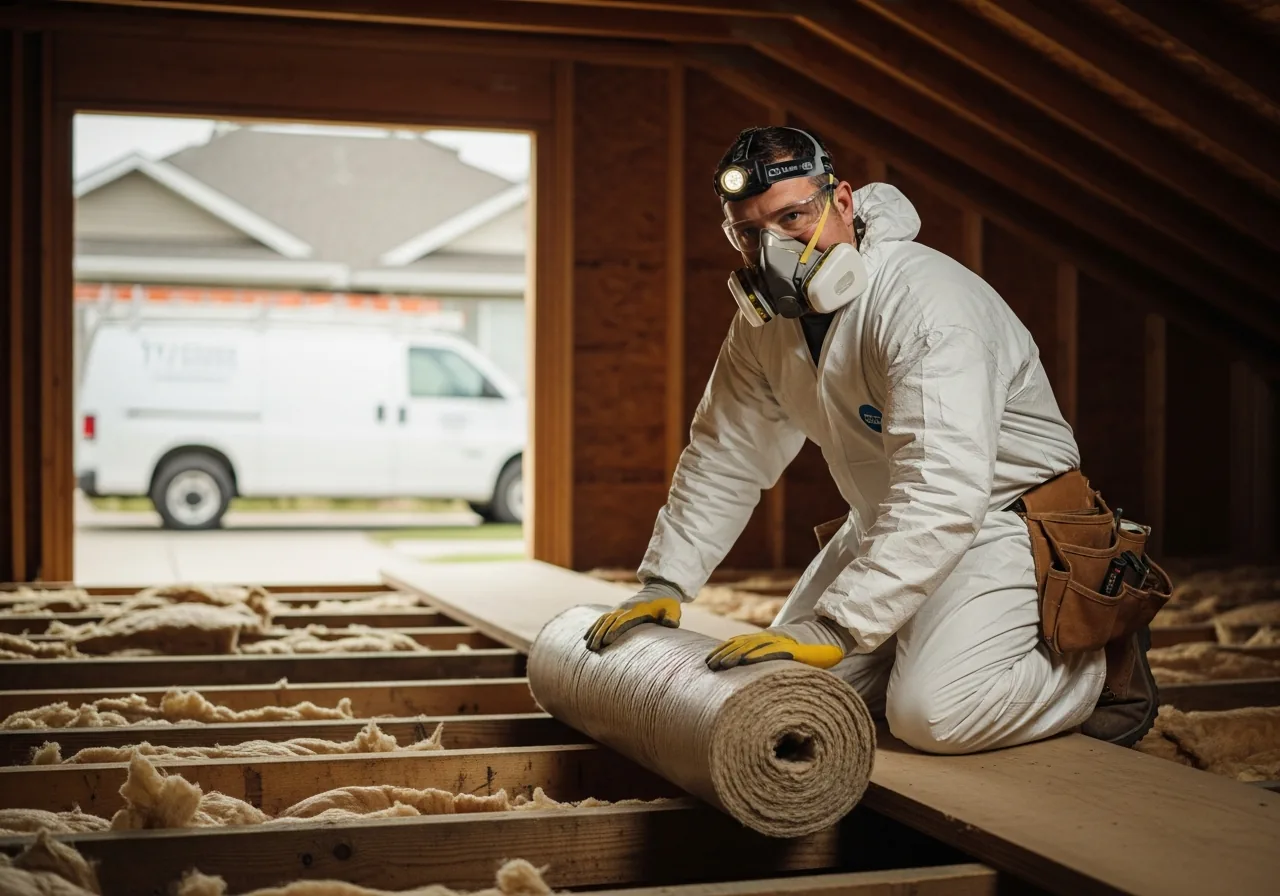
Walk the attic. Photograph existing insulation depth of R-19 from 1985 fiberglass. Measure the 1,400 sqft. Calculate the added depth needed for 10 inches of cellulose to reach R-49. Build the quote in six minutes for $4,200. That is 17 bags of cellulose at $48 each plus $385 for air sealing and crew labor. Subtract the $1,200 utility rebate to get $3,000 net. The customer signs digitally and pays a 25% deposit before you back out of the driveway.
Utility Rebate Tracking
Claver tracks the local utility rebate per project. Xcel Energy pays $800 for an R-49 attic. Duke pays $750 for whole-home weatherization. ConEd pays $1,200 for spray foam. PG&E pays $1,500 for low-income retrofits. It generates the rebate paperwork for the customer. You stop losing $1,200 because the customer did not know to file the rebate. You file it for her and include it in the quote.
Blow-In Truck + Crew Dispatch
Materials land Friday afternoon. Saturday at 7am the blow-in truck arrives with the cellulose machine and 12 bags loaded. The two-person crew brings the air-seal kit with caulk and foam gun. Everyone is assigned to 412 Northgate by 6:55am. You will not ask where the cellulose machine is at 7:14am.
Photo Records of R-Value + Depth
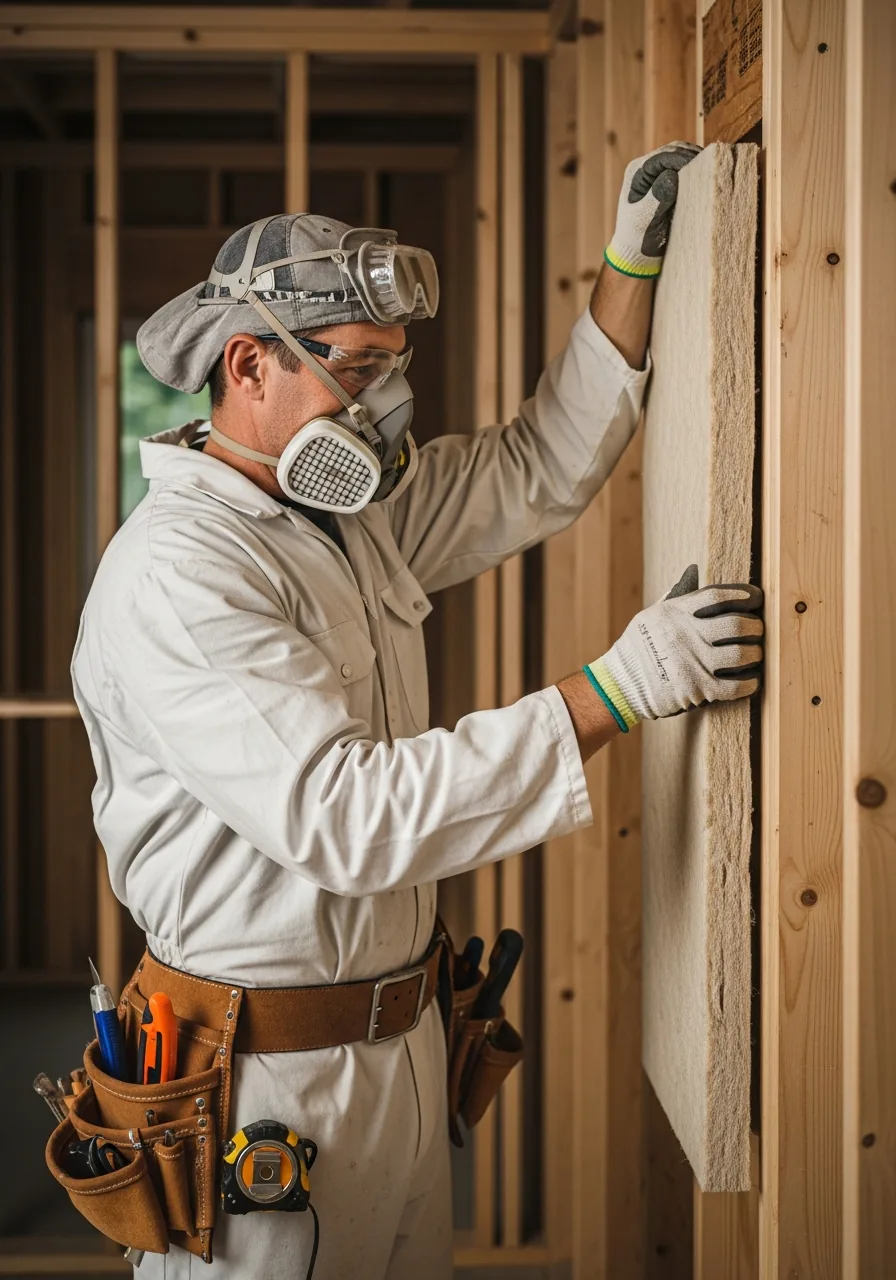
Pre-job photos show existing insulation depth at four locations and the R-value reading. During the job you photograph air-sealing the top plate gaps and installing can-light covers. Post-job photos show the new insulation depth with depth markers visible. R-49 equals 14 inches of cellulose. The utility rebate inspector accepts the photos in three days instead of three weeks.
Google Ads + Lead Source ROI
Insulation keywords cost $20 to $45 per click. Claver captures the click ID and follows it through the quote to the signed contract and final payment. Attic insulation Minneapolis generated 18 clicks and five signed jobs worth $21,000. Insulation contractor near me generated 67 clicks and only one quote worth $3,200.
Included on Crew at $39 a month or Business at $79 a month. Starter ($19/mo) covers unlimited jobs, quotes, invoices, Stripe payments, customer portal, online booking, recurring billing, and CSV export. Step up to Crew for texting, AI, and dispatch.
Why insulation shops switch
Why Insulation Contractors Choose Claver
A Brutal Seasonal Swing
Insulation is a high-ticket residential trade with a brutal seasonal swing. The September to December winterization rush is when you make half of your annual revenue. The contractors who win are the ones who quote on-site with the utility rebate amount built into the price. The customer sees the $1,200 net savings before she shops competitors.
The shops that lose are still doing the 2010 playbook. They tell the homeowner to call and wait for next Tuesday for a measure. By next Tuesday the homeowner has booked with the local Solar Energy World sales rep who showed up Saturday with an iPad and a same-day quote.
The on-site quote with rebate math is the engine. Photo documentation is what gets the rebate paid in three days.
When you walk Mrs. Castillo's 1985 Minneapolis Tudor attic on a Saturday morning the quote builds itself in the app. Photograph the existing 1985 fiberglass batts that are R-19 and settled. Measure the 1,400 sqft attic. Calculate the 10 inches of cellulose needed to reach R-49 per Xcel rebate spec. Build the quote for $4,200. That is 17 bags of cellulose at $48 each plus $385 for air-seal materials and $2,200 for two days of crew labor. Subtract the Xcel Energy R-49 attic rebate of $1,200 to get $3,000 net. The customer sees the breakdown. She signs digitally and pays a $750 deposit. Materials delivered Friday. Install Saturday morning.
Utility Rebate Tracking
Utility rebate tracking separates the independent shops from the chains who quote retail and let the customer chase the rebate. Claver tracks the local utility rebate per project. Xcel Energy pays $800 for an R-49 attic. Duke Energy pays $750 for the attic and air-seal package. ConEd pays $1,200 for spray foam. PG&E pays $1,500 for low-income retrofits. Eversource pays $600 to $1,000 depending on the R-value gain. It generates the rebate paperwork for the customer. You file it for her and include it in the quote. The customer never has to remember to file. You collect $1,200 from Xcel in 21 days. The customer pays $3,000 instead of fronting $4,200 and praying she remembers to file the rebate before December 31.
Photo documentation gets the rebate inspector to approve in three days instead of three weeks. Claver structures every install around timestamped photos. You capture pre-job R-value readings and photos of existing insulation depth at four corners of the attic. You photograph every air-leak point you will seal including top plate gaps and can lights without IC covers. During the install you photograph every air-seal point completed. Post-install photos show the new insulation depth with depth markers visible at four corners. R-49 equals 14 inches of cellulose. The utility rebate inspector opens the PDF and approves in three days.
Which Scopes Pay
Job costing tells you which scopes pay. Your $4,200 attic blow-in for 1,400 sqft shows a 41% margin. Your $9,800 spray foam open-cell for a cathedral ceiling shows 28% because the proprietary foam costs $1.85 per sqft. Your $14,500 whole-home weatherization shows 24% because the wall-blow injection is a four-day job with extensive drywall patching. Now you know which scope to push and which to bump 8% in your next pricing review.
Most insulation shops fly blind on marketing spend. You are paying $20 to $45 per click on Google Ads for keywords like attic insulation and spray foam contractor. Some clicks become $14,500 whole-home jobs. Some become nothing. Claver captures the Google click ID when someone visits your site and tracks it through the quote to the signed contract. Attic insulation Minneapolis generated 18 clicks and five signed jobs worth $21,000. Insulation contractor near me generated 67 clicks and one quote worth $3,200. Triple the first campaign and cut the second.
Cancel anytime. Migration from your current tool takes 20 minutes.
Pricing
Pricing That Works for Insulation Shops
$19/mo to start. $39/mo for growing teams. $79/mo for the full toolkit. The Business plan includes AI summaries, an app phone line, on-site quoting with rebate math, blow-in dispatch, photo and rebate documentation, and Google Ads ROI. Same plans as every Claver page. No insulation upsell.
Simple pricing, no free tier
Every plan includes unlimited jobs, quotes, invoices and Stripe payments. Texting and AI start on Crew. The phone system and full back office are on Business.
$1 for your first 14 days on Starter · Cancel anytime · Your data exports in CSV
Common questions
Common insulation software questions
No marketing dance. The questions insulation owners actually ask before they sign up.
Does Claver track local utility rebates per project?+
Yes. Claver tracks utility rebates per project: Xcel Energy ($800 for R-49 attic, $1,200 for whole-home weatherization), Duke Energy ($750 attic + air-seal), ConEd ($1,200 for spray foam, $850 for cellulose), PG&E ($1,500 for low-income retrofits), Eversource ($600-$1,000 depending on R-value gain). Generates the rebate paperwork (utility application form pre-filled, photo documentation, contractor certification). You file it for her, included in the quote. You collect $1,200 from Xcel in 21 days. Customer pays $3,000 net instead of fronting $4,200 and praying she remembers to file before December 31.
Does it document R-value + depth photos for the rebate inspector?+
Yes. Claver structures every install around timestamped photos: pre-job R-value reading + existing insulation depth at 4 corners + every air-leak point. During install: every air-seal point completed (top plates caulked, IC-rated can covers installed, draft stops, attic-hatch weatherstripping). Post-install: new insulation depth with depth markers visible at 4 corners (R-49 = 14 inches of cellulose). The utility rebate inspector opens the PDF and approves in 3 days instead of 3 weeks.
Does it build on-site quotes with sqft + R-value math?+
Yes. Walk the attic, photograph existing insulation, measure sqft. Build the quote in 6 minutes, $4,200 (cellulose 17 bags @ $48 + air-seal $385 + crew labor + dump + margin) minus utility rebate $1,200 = $3,000 net to the customer. Customer sees the breakdown: $4,200 retail, $1,200 utility rebate filed by you, $3,000 net out-of-pocket. She signs digitally and pays a 25% deposit through Stripe before you back out of the driveway.
Can I import customers from JobNimbus, ServiceTitan, or Housecall Pro?+
Yes. Export your customer list as CSV from your current tool, JobNimbus, ServiceTitan, Housecall Pro, FieldEdge, and upload it to Claver. The wizard maps the columns. Most insulation shops finish the migration in 30-45 minutes (more historical rebate documentation than other trades). We'll personally help if anything looks off. Email [email protected].
What does Claver cost for an insulation shop?+
$19/mo for Starter (2 users). $39/mo for Crew (8 users) when you want texting, AI, and the dispatch board. $79/mo for Business with the full toolkit, on-site quoting with rebate math, blow-in dispatch, photo + rebate documentation, Google Ads conversion tracking. No contract. Cancel anytime.
Your current software owns your customer list. We don't want to.
Your data exports as CSV the day you leave — your full customer list, every job, every invoice. Your payments go directly through your own Stripe, never ours. Claver starts at $19/mo flat, no contract, no per-seat fees.
Start your $1 trial
14 days for $1, then $19/mo. Cancel any time from settings.